Statement
My recent work begins with everyday experiences from my first two months living in the United States. Faced with an empty apartment, I started furnishing it through secondhand and vintage markets. Used furniture is often framed through a romantic narrative of time, history, and material character. I initially understood this mode of acquisition as a more “authentic” and grounded way of entering daily life. However, the actual process of exchange consistently diverged from this expectation: prices required repeated confirmation, pickup locations were vague, appointments were constantly rescheduled, the condition of objects differed drastically from their descriptions, and dimensions often proved unusable. Through these moments of persistent inconvenience, I began to recognize that what troubled me was not the objects themselves, but the growing disconnection between systems and people.
Within increasingly totalized modes of living, most acts of buying no longer require direct communication between people. Online platforms replace negotiation and friction with simplified steps; when transactions are compressed into a single act of “confirming an order,” the relationship between people and objects becomes flattened. As convenience becomes habitual, interpersonal relations are gradually displaced by relationships with systems and machines.
In secondhand and vintage markets, however, I encountered a different condition—a form of resistance to the ideal of seamless, frictionless living. Communication breakdowns, misunderstandings, cancellations, and no-shows introduce uncertainties that cannot be fully eliminated. These disruptions create cracks in the process, requiring people to re-enter it through their bodies and time. I understand this form of “friction,” which dominant systems attempt to erase, as a structural condition that forces renewed negotiation between people and processes, and between people and objects. Here, imperfect interaction is no longer merely a deviation from efficiency, but the point at which relations reappear. My work seeks to make this erased friction perceptible again.
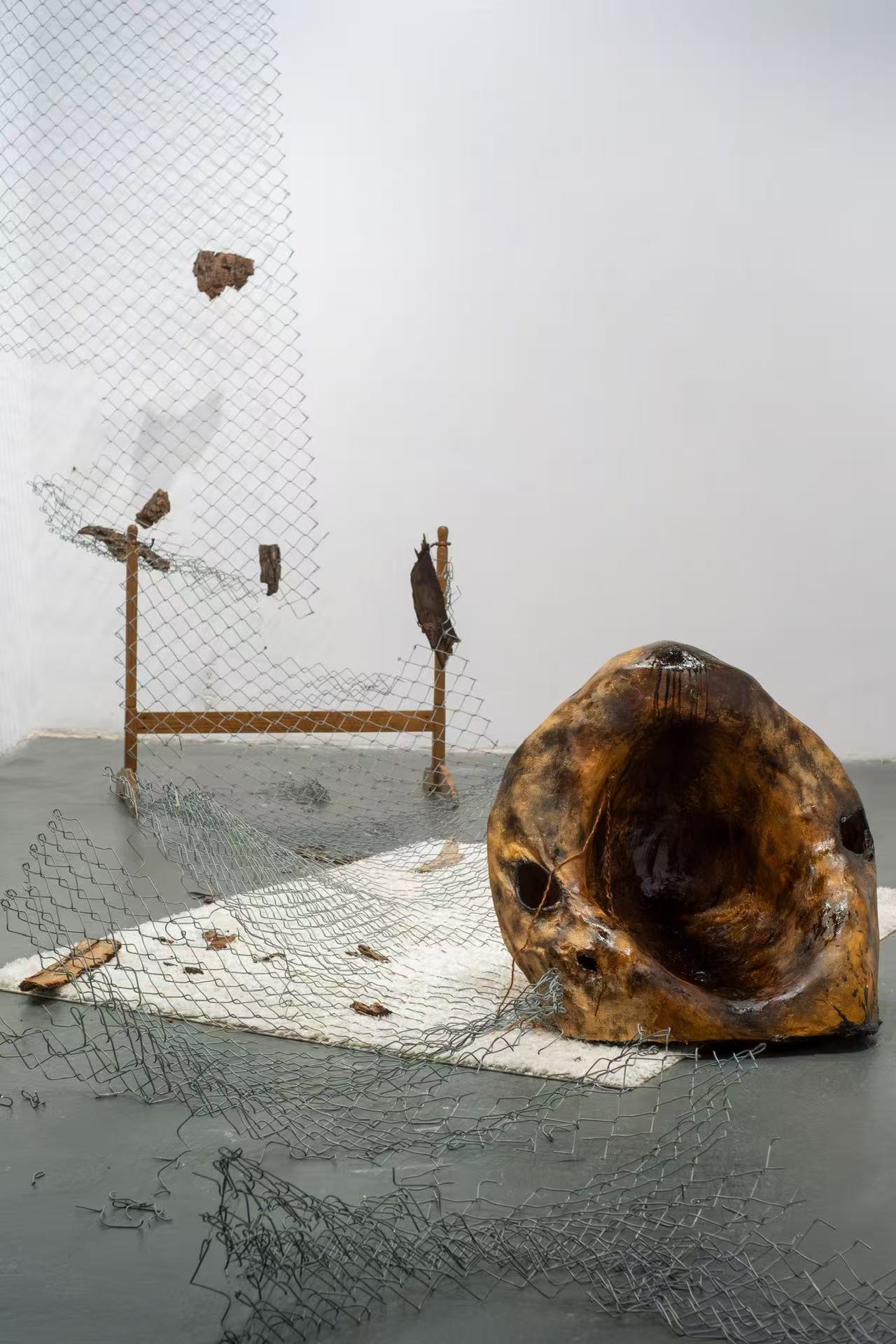
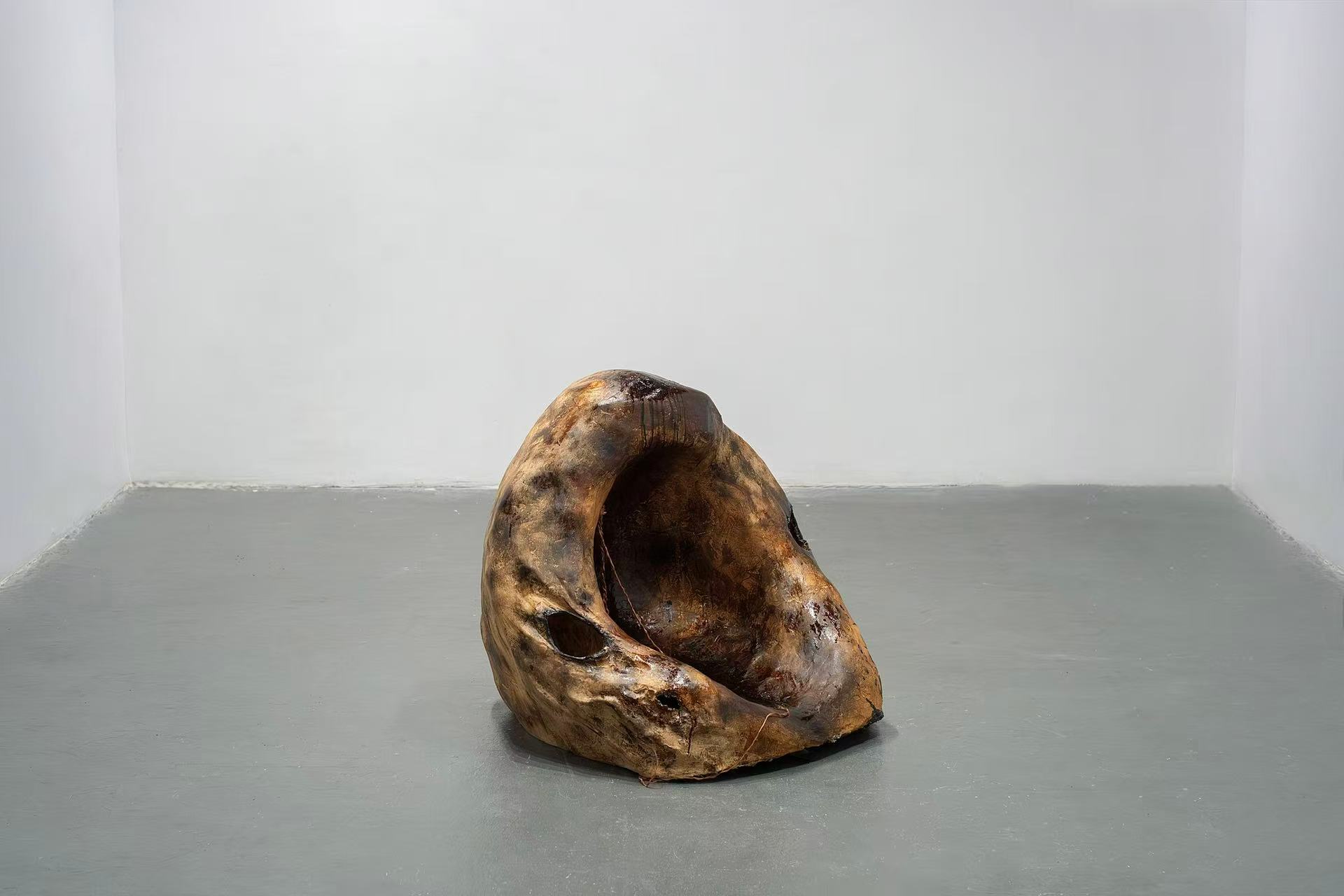
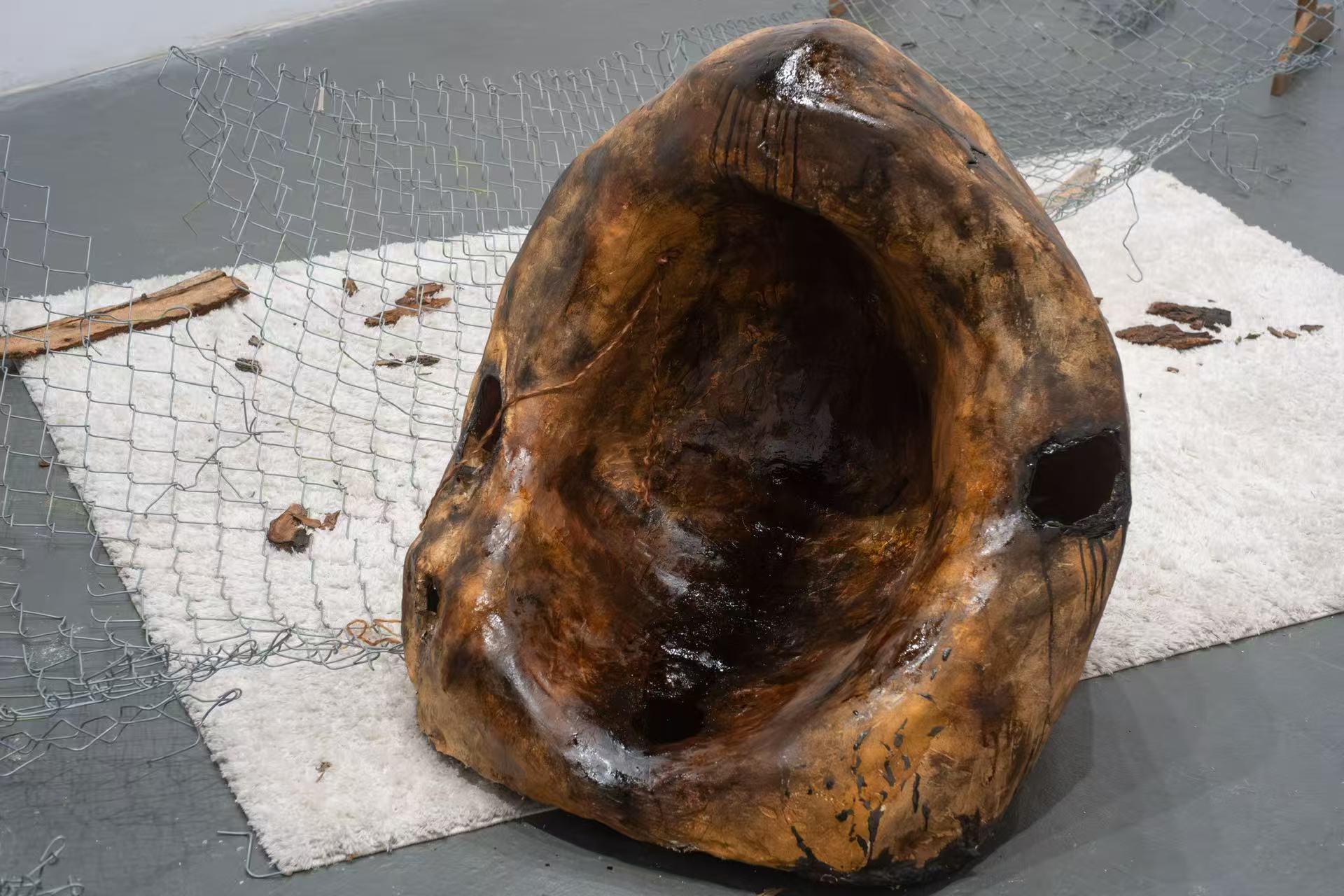
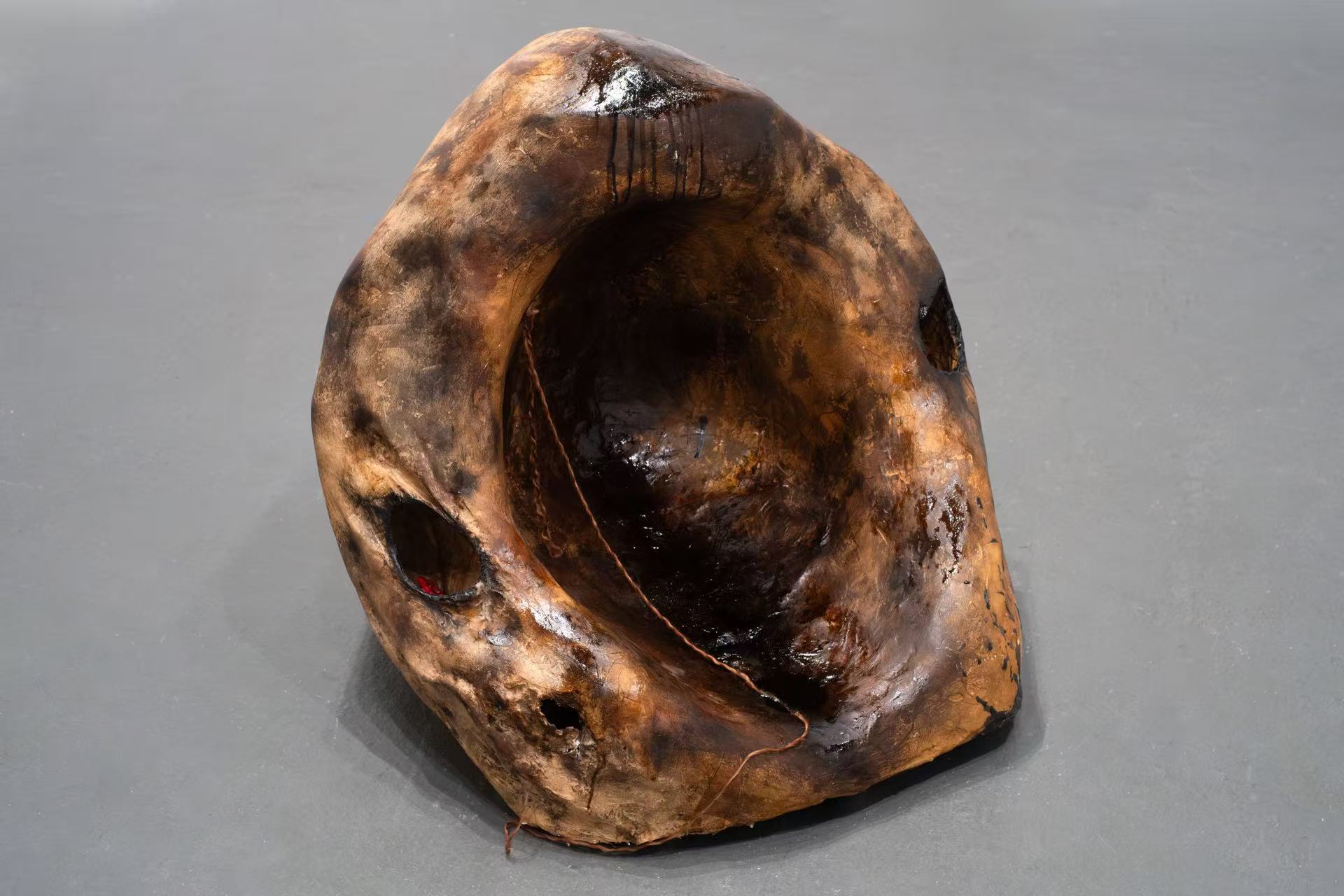
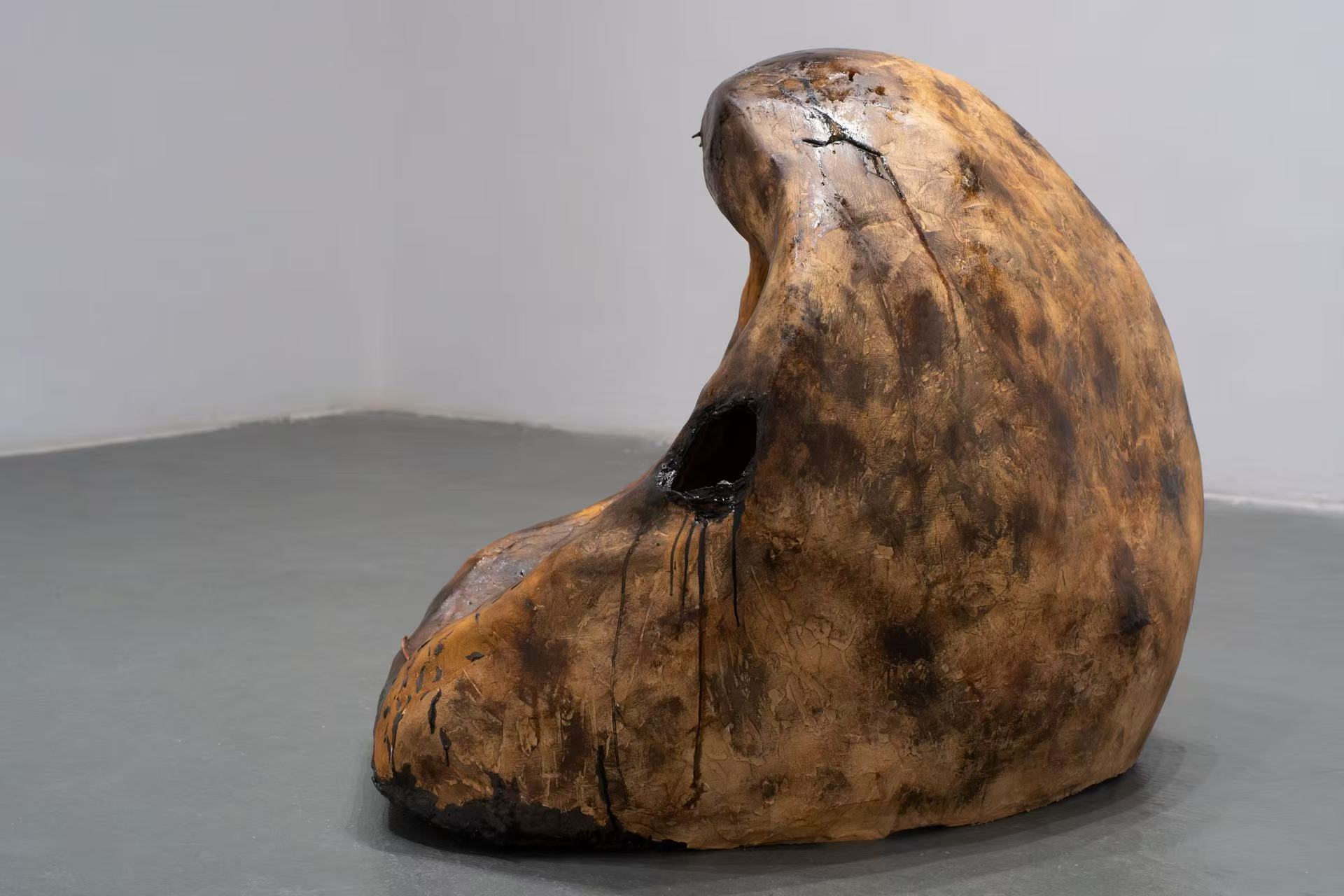
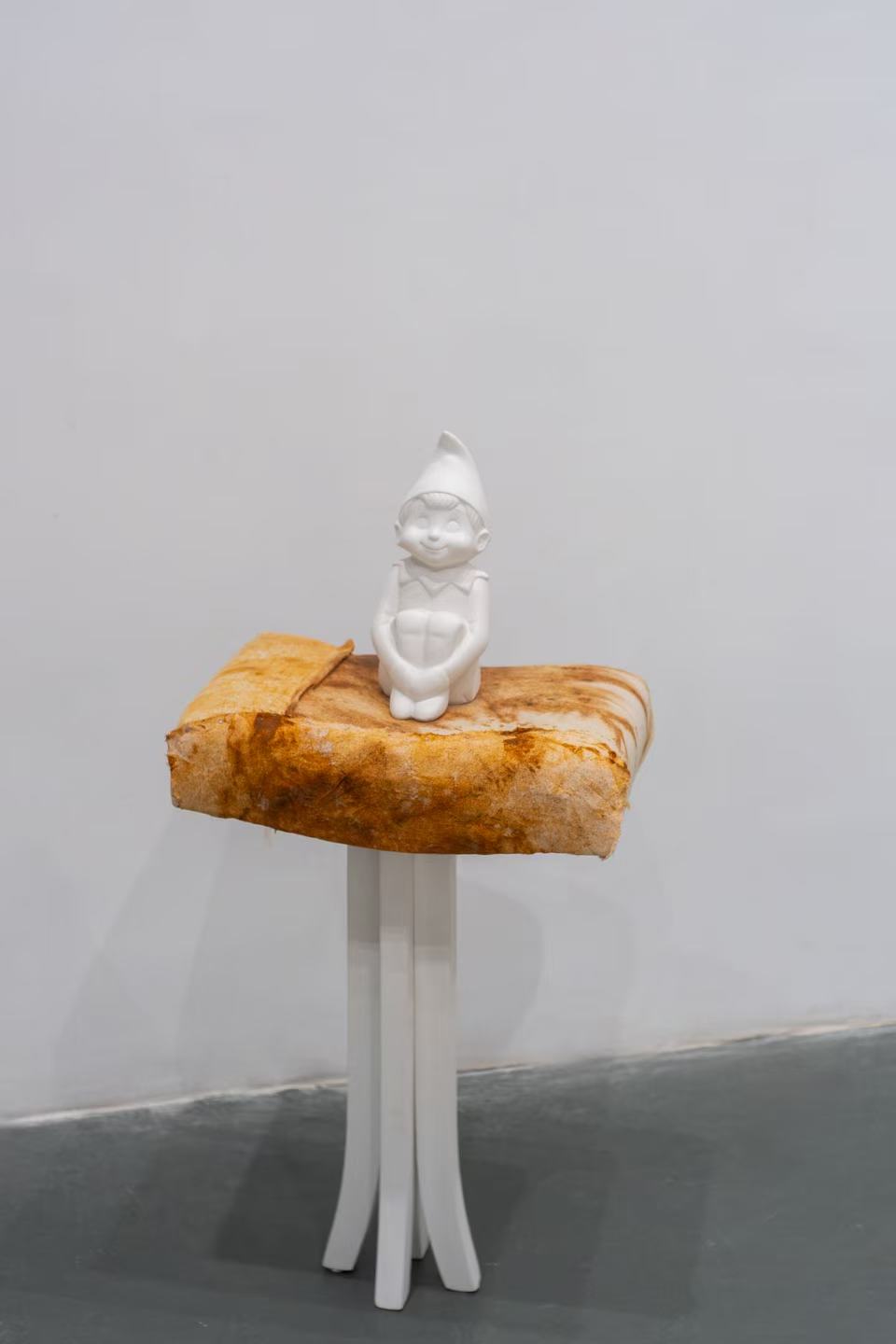
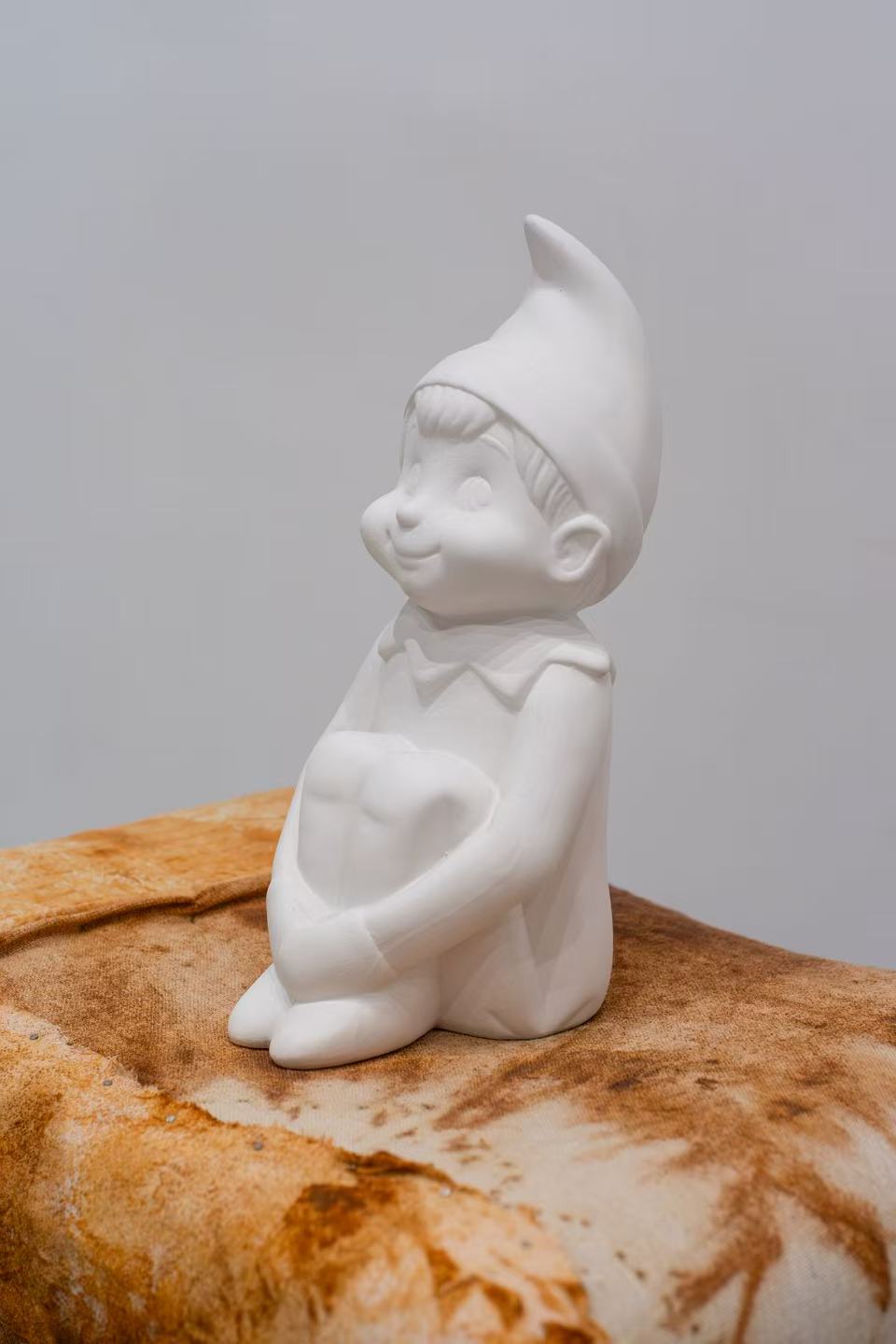
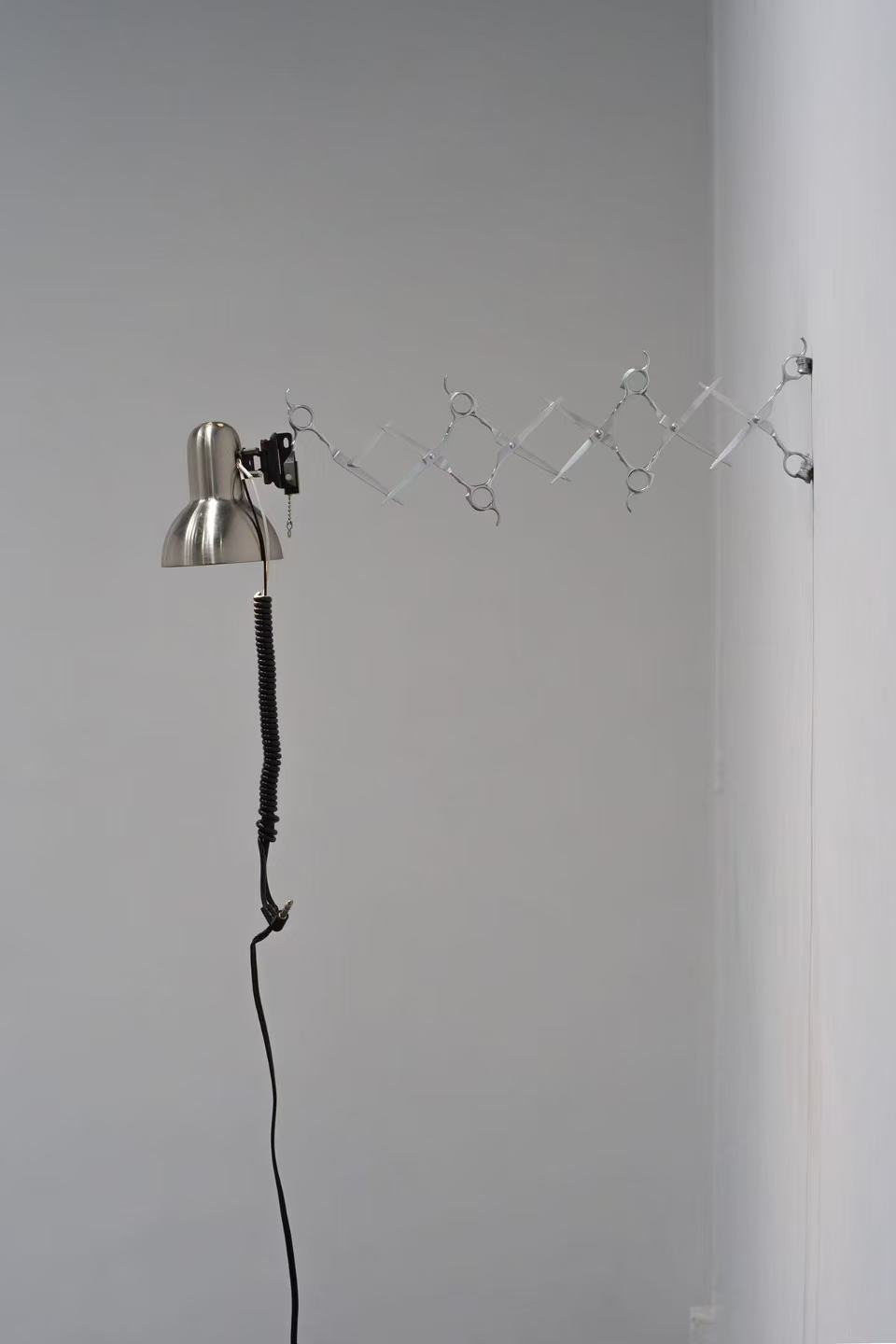
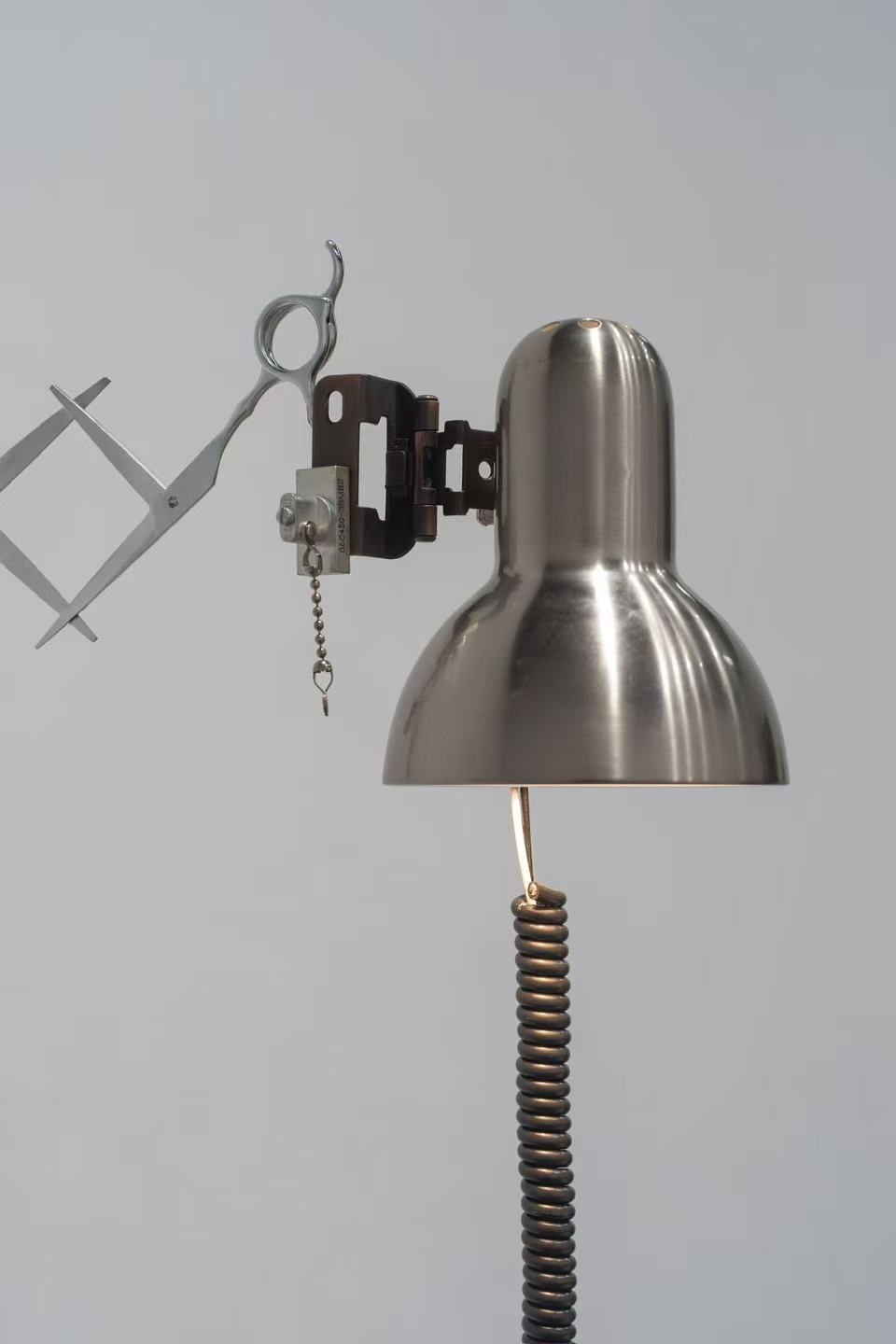
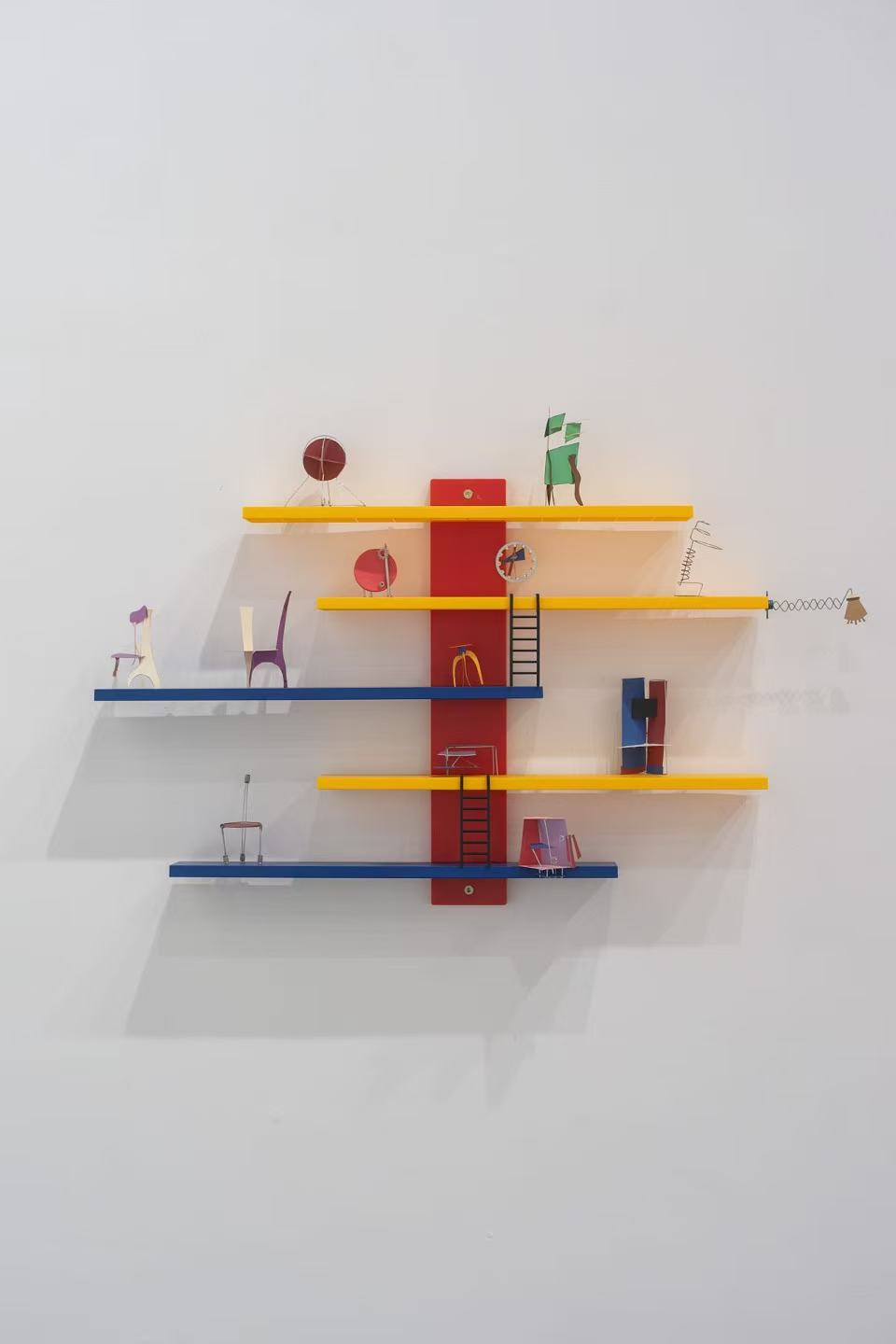
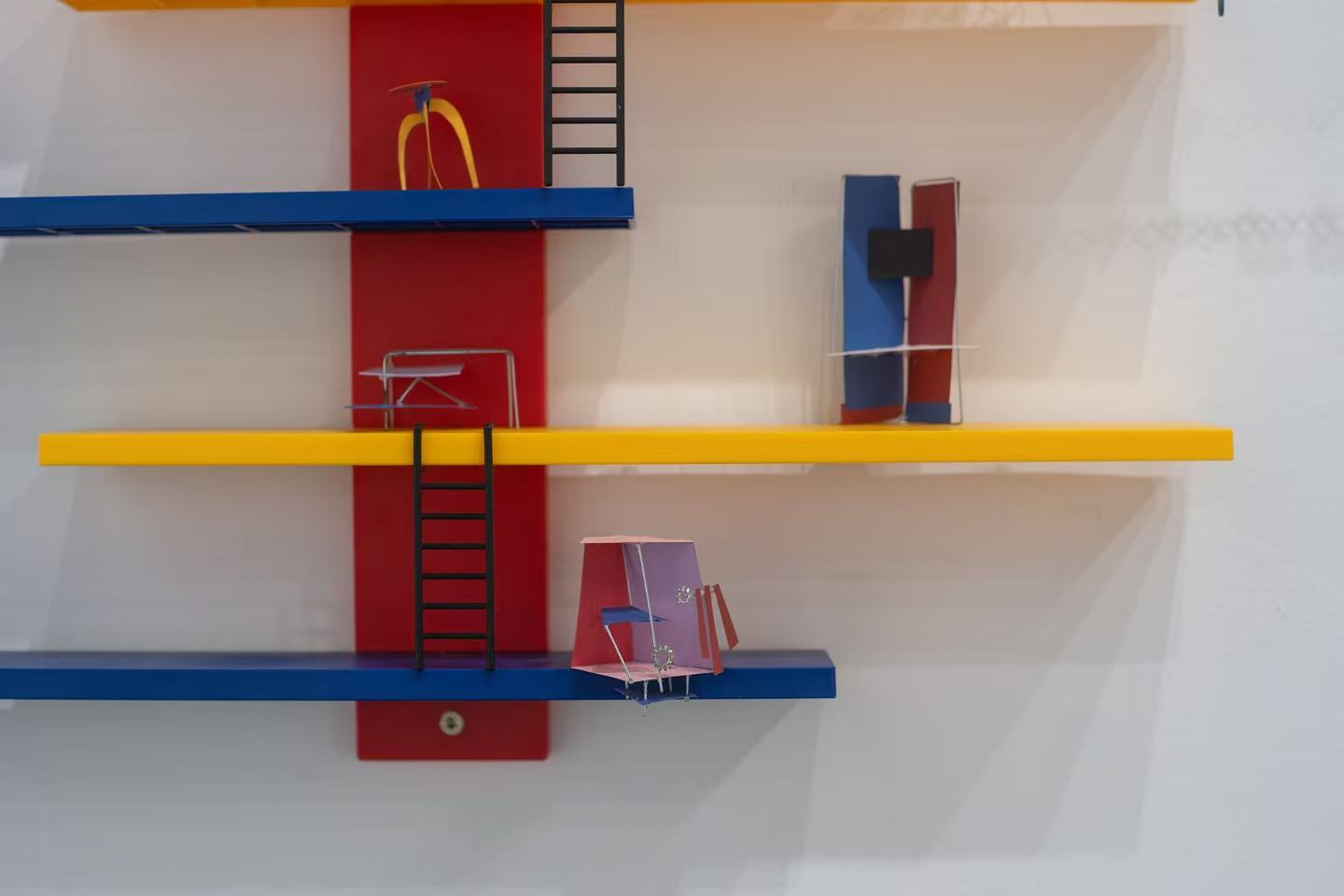
In the installation, I take furniture—objects defined by everyday function—as a starting point and deliberately mis-translate their structure and use. Metal, wood, and fabric are reassembled into unstable supporting forms; surfaces are covered, stretched, or fixed so that the objects appear usable at first glance, yet compel hesitation, detours, or reassessment upon physical approach. The tension between materials, the instability of structures, and the uncertainty surrounding safety and function together generate a friction that can be sensed bodily, returning negotiation to the relationship between people and objects.